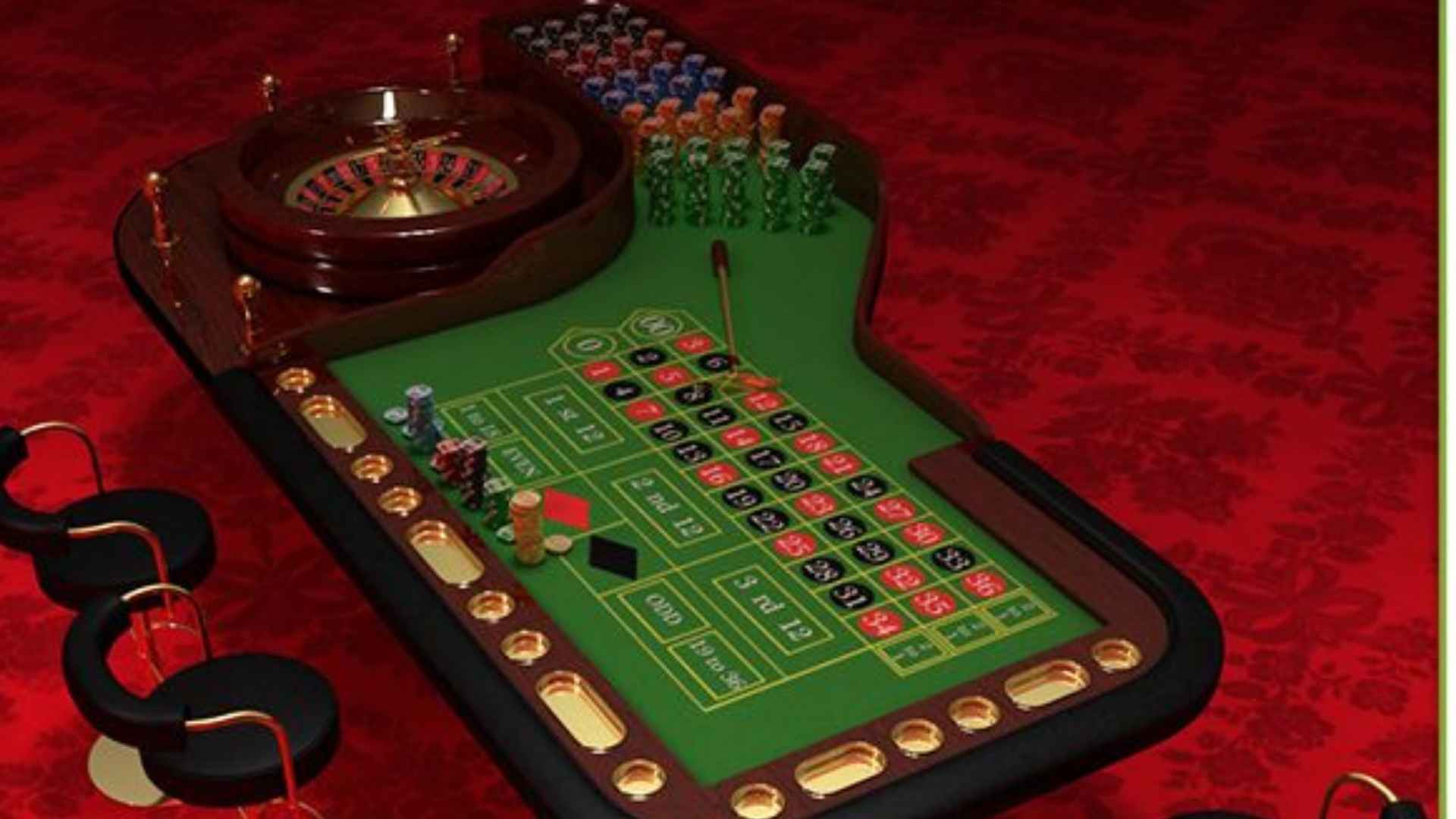
Baccarat has long been celebrated as a game of ultimate sophistication, drawing noble families and modern enthusiasts alike to its green felt surfaces. While most players are familiar with standard casino setups, the game boasts a rich legacy filled with custom designs and rare table variations. Exploring these historic physical structures reveals how regional customs and shifting rules shaped casino environments over the centuries.
The Secret Salons of European Nobility
In the nineteenth century, baccarat was primarily enjoyed within private French estates and exclusive gaming clubs away from public view. The tables crafted for these hidden gatherings were often massive wooden masterpieces adorned with intricate gold leafing and velvet padding. These elegant structures were designed specifically to accommodate the game of Chemin de Fer, where participants acted as the bank themselves.
Because the physical bank rotated among the players, the layout featured distinct seating arrangements that emphasized high-stakes interaction. Today, finding a well-preserved gaming table from this era is exceptionally difficult for antique collectors. For modern enthusiasts who want to experience the thrill of the game from a contemporary platform, utilizing a trusted portal like login situs m88 offers an immersive and secure gateway to traditional card action.
The Transition to Macau Traditional Layouts
As the game migrated to Eastern gaming hubs, the physical design of the table underwent massive structural changes to support massive player crowds. Traditional Macau VIP tables are uniquely shaped to handle dozens of participants standing and sitting simultaneously during high-intensity shoes. The layout often includes specialized tracking sections where enthusiasts can carefully document past outcomes and trends.
These tables represent a vital bridge between historical European rules and modern high-turnover casino economics. Their robust build and unique ergonomics reflect the intense passion and cultural customs surrounding gaming rituals in Asia. Observing these tables in operation provides a fascinating look into how regional demographics can completely redesign iconic casino equipment.
The Legacy of Mid Century American Felts
When the game arrived on the glitzy gaming floors of Las Vegas in the mid-twentieth century, operators introduced the standard full-pit setup to create an aura of exclusivity. These rare tables were often separated from the main floor by heavy velvet ropes and supervised by multiple formal dealers. The physical size of the classic American table was massive, comfortably accommodating up to fourteen players in a single session.
This particular design reinforced the game's reputation as a high-limit pastime reserved primarily for glamourous high rollers and celebrities. While smaller, modern variations have largely replaced these giant physical structures, their historical legacy remains iconic. Understanding the physical evolution of these gaming surfaces helps players appreciate the deep history embedded in every single round dealt today.