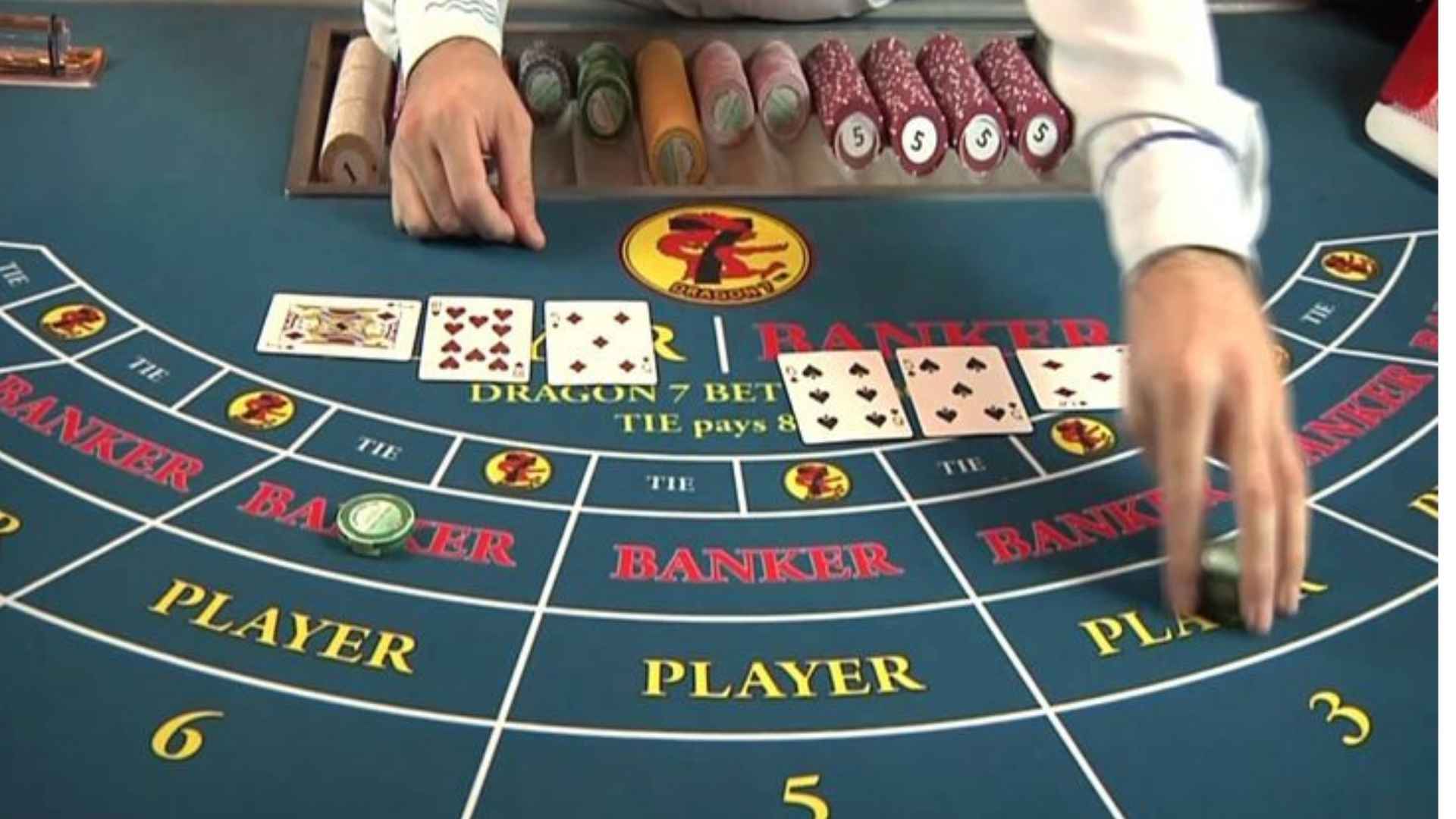
Mastering contract bridge requires a solid grasp of core tactical principles that directly influence your success at the table. While the game possesses incredible depth, focusing on essential mechanics will immediately elevate your performance during competitive sessions. Players who invest time in refining these core habits consistently secure better outcomes and enjoy more balanced partnerships.
Establishing a Unified Bidding System
A reliable bidding system serves as the primary communication channel between you and your partner. Misunderstandings during this initial auction phase are often the leading cause of poor contracts and lost points. By simplifying your agreements, you ensure both players are always aligned on hand strength and suit distribution.
Many modern players actively look for new strategies online to improve their theoretical approach and overall gameplay execution. While researching different bidding conventions, you can easily access gaming insights or find platforms via a secure login situs m88 to test your skills in real time. Taking the time to study standard responses will make your joint bidding sequences far more predictable and effective.
Developing Precise Card Play Plans
Once the bidding concludes and the dummy hand is displayed, the declarer must immediately formulate a clear plan of action. Instead of rushing to play the very first trick, successful competitors pause to count potential winners and analyze major threats. This deliberate step allows you to identify where extra tricks can be established safely.
Managing your entries between the dummy and your hand is a crucial skill that separates intermediate players from experts. Properly timing when to pull trumps and when to set up a long side suit avoids standard defensive traps. Developing this mental discipline ensures you extract maximum value from every single card dealt.
Refining Defensive Communication and Signals
Refining Defensive Communication and Signals
Defending successfully in bridge is often considered the most intellectually demanding phase of any competitive match. Because defenders operate without seeing each other's cards, they must rely heavily on structured signaling to coordinate their moves. Watching the size of the cards played by your partner reveals vital clues about their remaining distribution.
An effective opening lead can instantly put the declarer on the defensive and disrupt their initial plan entirely. You must carefully analyze the bidding auction to determine which suit offers the safest and most aggressive route of attack. Continuous cooperation and sharp observation remain the ultimate keys to defeating tight contracts.
The Role of Continuous Hand Analysis
Consistently reviewing your past games is the fastest way to identify structural flaws in your decision-making processes. Analyzing difficult hands with your partner fosters a supportive environment and helps prevent repeating costly errors. Over time, this reflective practice builds a strong intuitive card sense that improves your performance under pressure.
Regular practice against diverse opponents exposes you to unique bidding patterns and varying defensive styles. Embracing every match as a learning opportunity builds the cognitive stamina needed for long, multi-session tournaments. Ultimately, committing to these simple fundamentals turns every challenging game into a rewarding experience.